

Let’s Talk with Young People About Money
What You Need to Know
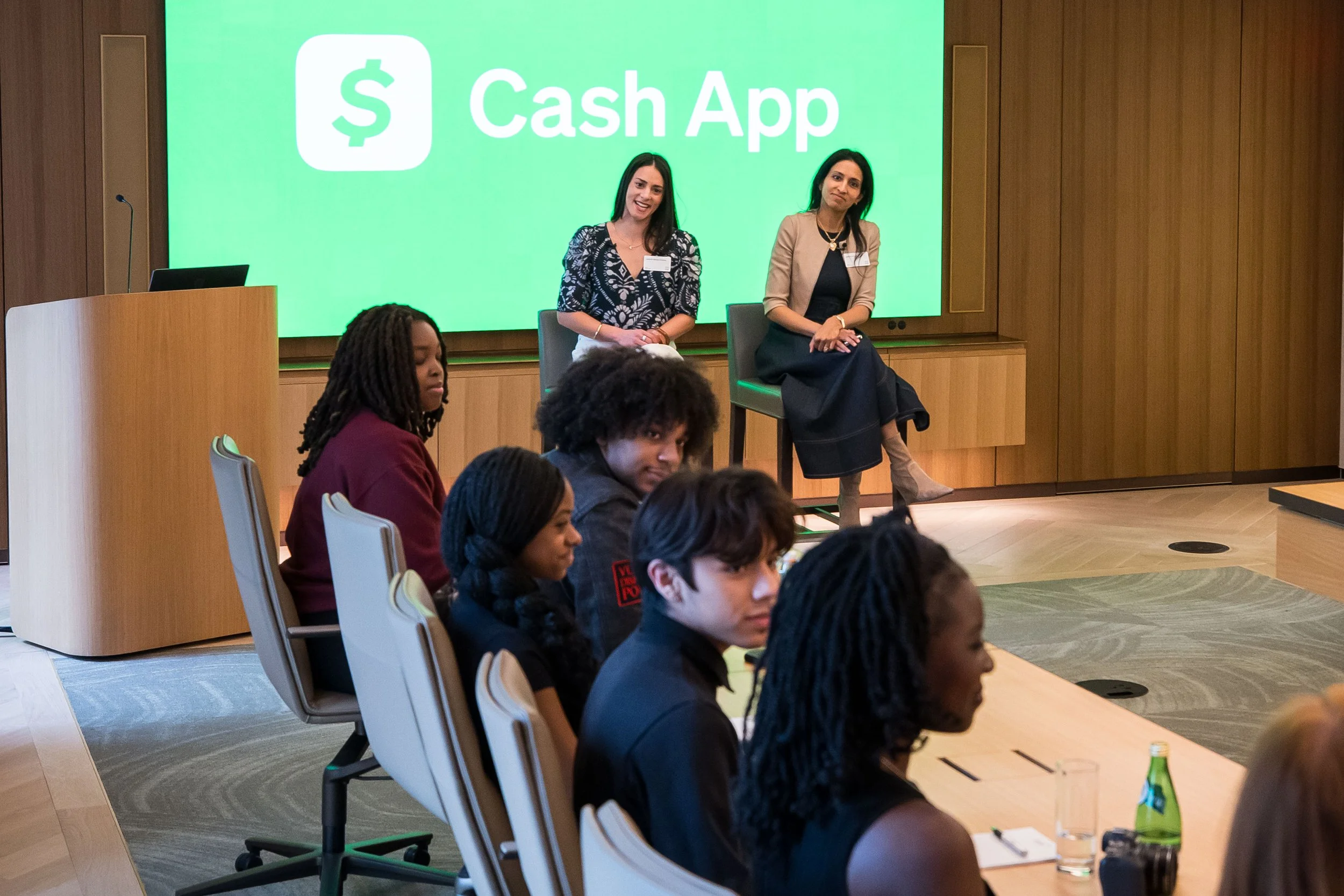
Young people are deeply interested in money. The students I met came prepared with thoughtful questions about budgeting, college costs, investing, and financial decision-making.
Financial confidence isn't just about knowledge. These students immediately understood that emotions and money are connected.
Meaningful financial conversations start with listening. The most impactful moments came from creating space for students to share their experiences, questions, and perspectives.
Event Summary
Event Type: Teen Advisory Council Roundtable
Partner: Block & Cash App
Location: New York Stock Exchange, New York City
Role: Roundtable Facilitator
Topics: Financial well-being, emotional relationship with money, financial confidence, financial literacy, evaluating financial information
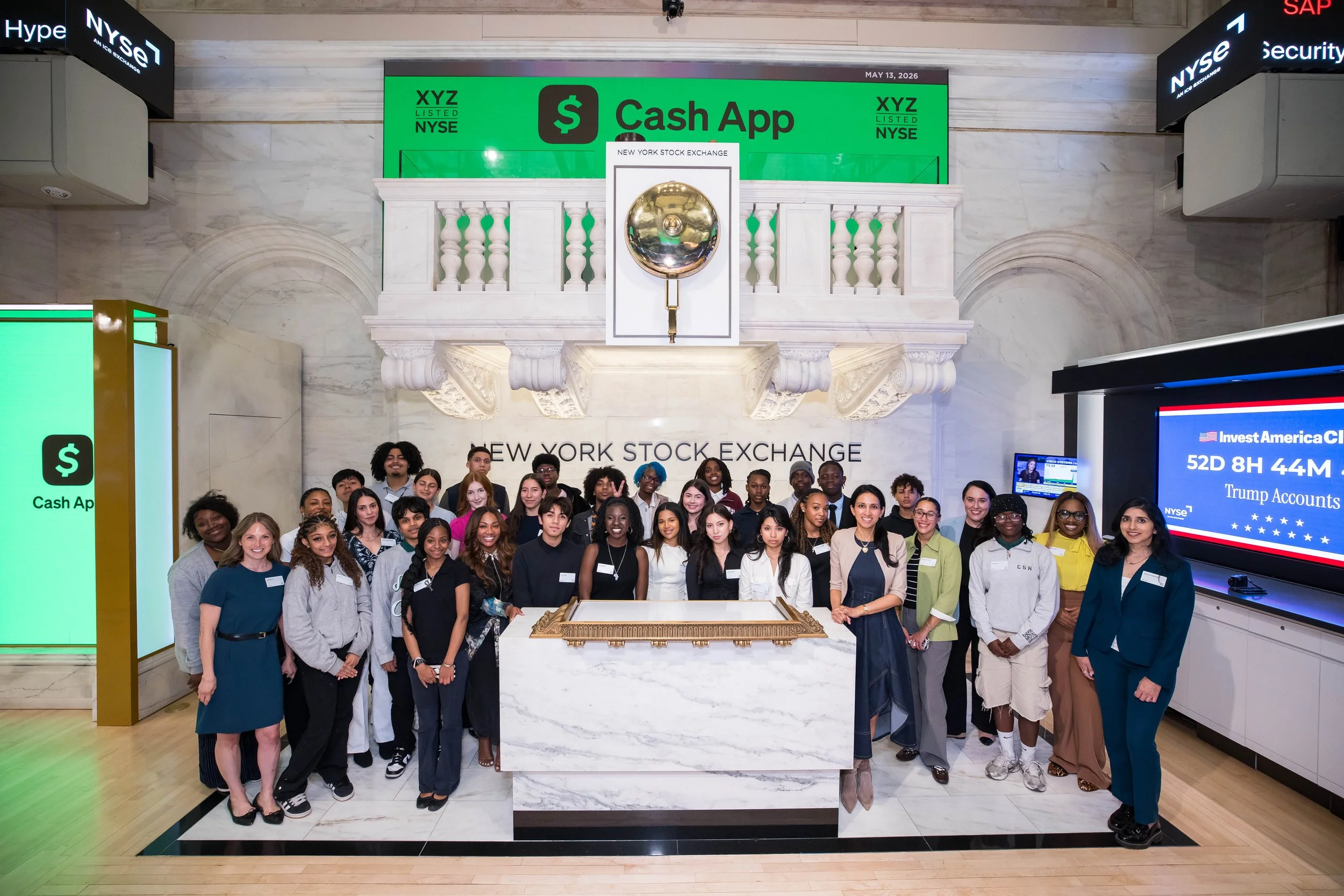
Audience: High school students from New York City public schools, including students from Comp Sci High in the Bronx and the High School of Fashion Industries in Manhattan
Why This Conversation Mattered
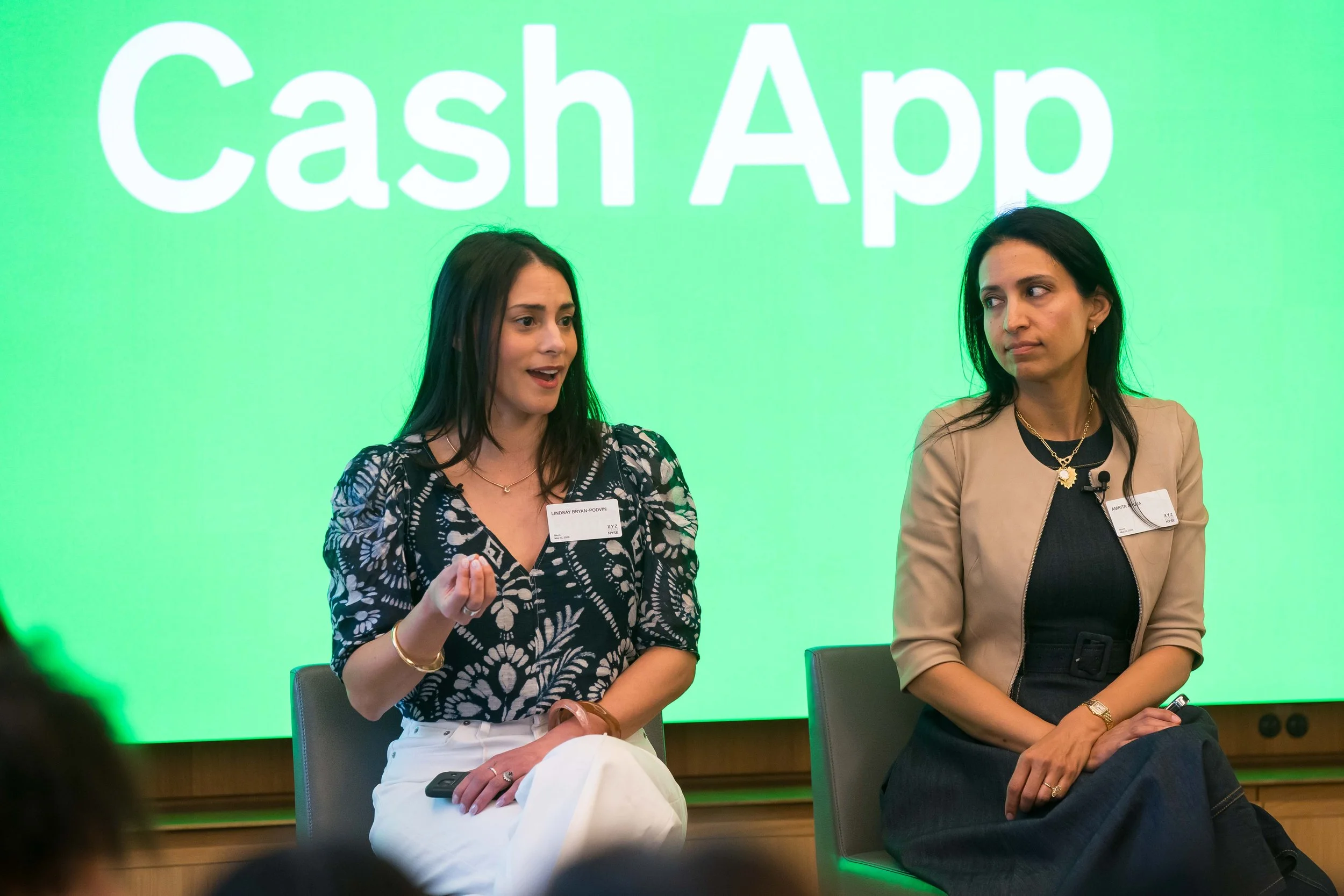
I had the opportunity to facilitate a roundtable discussion for Cash App's Teen Advisory Council, bringing together young people from across New York City to discuss money, financial well-being, and the future they are building for themselves.
The Teen Advisory Council was created to ensure that young people's voices are included in conversations about products, technology, and financial experiences that impact their lives. Rather than making assumptions about what teens want or need, Cash App created a structure for listening directly to them.
In today's rapidly evolving financial landscape, where social media, digital payments, online investing, and financial influencers are shaping how people learn about money, understanding how teens think, feel, and make decisions is incredibly valuable.


My Role as Roundtable Facilitator
Before the students arrived, a few of us adults joked about the latest slang we'd heard and collectively agreed that attempting to use it would be the fastest way to lose credibility.
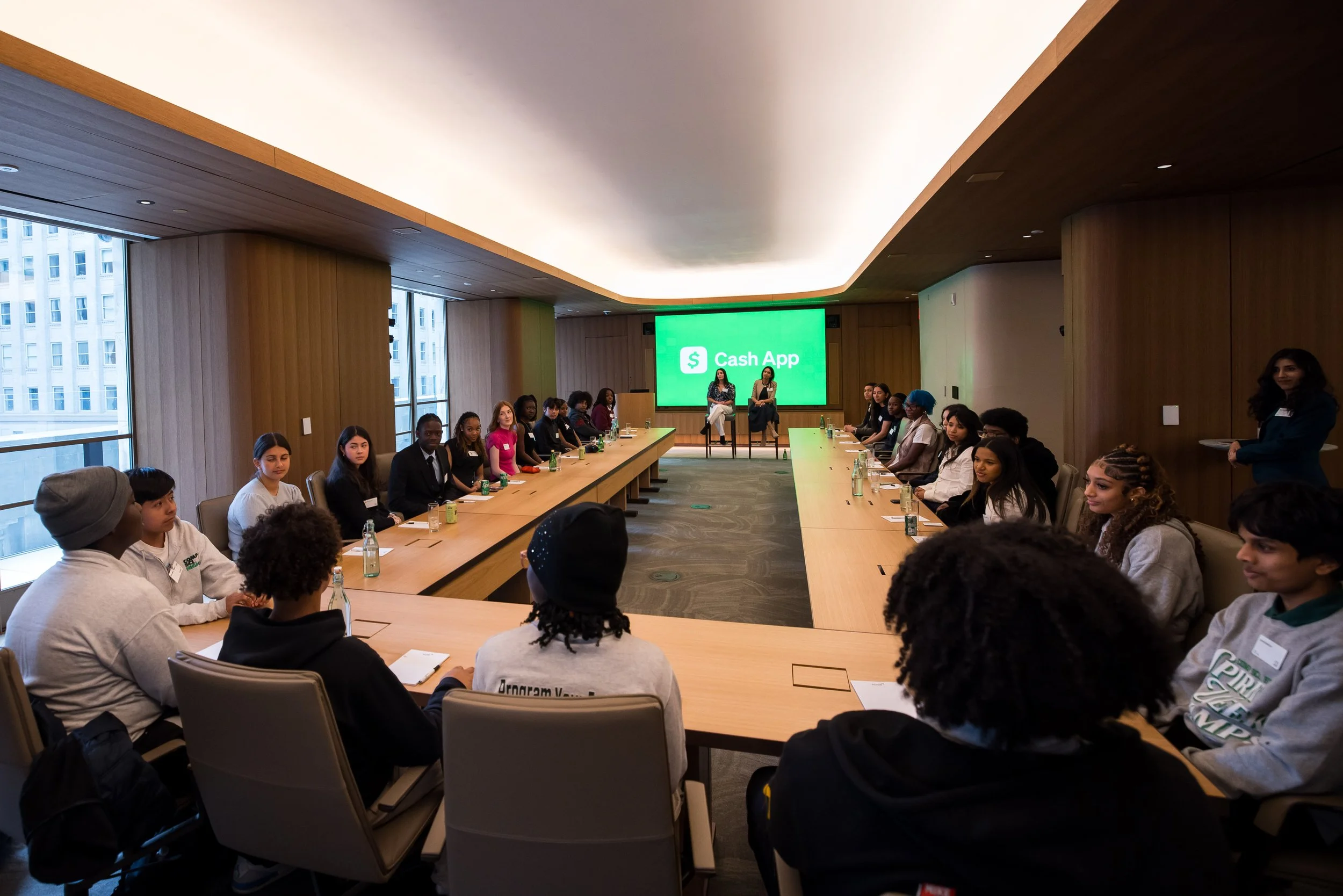
Then the students arrived. The energy shifted immediately. They flowed into the room, buzzing with conversation as they found their seats around the conference table overlooking one of the world's most recognizable financial districts.
After a brief welcome, I kicked off our discussion with a simple question:
"What emoji best describes how you feel about money?"
And the floodgates opened.
They immediately got something that many adults struggle with: that money and emotions are deeply connected.
So many adults try to drive a wedge between how we feel and how we spend our money, but these students immediately went, “yup, I get it.”
Somewhere along the way, as we focus on building financial literacy and confidence, we focus too much on spreadsheets and rules.
Decisions disconnected from emotion. But young people haven’t lost that connection yet. They intuitively understand that their decisions around saving, earning, and spending are connected to how they feel.
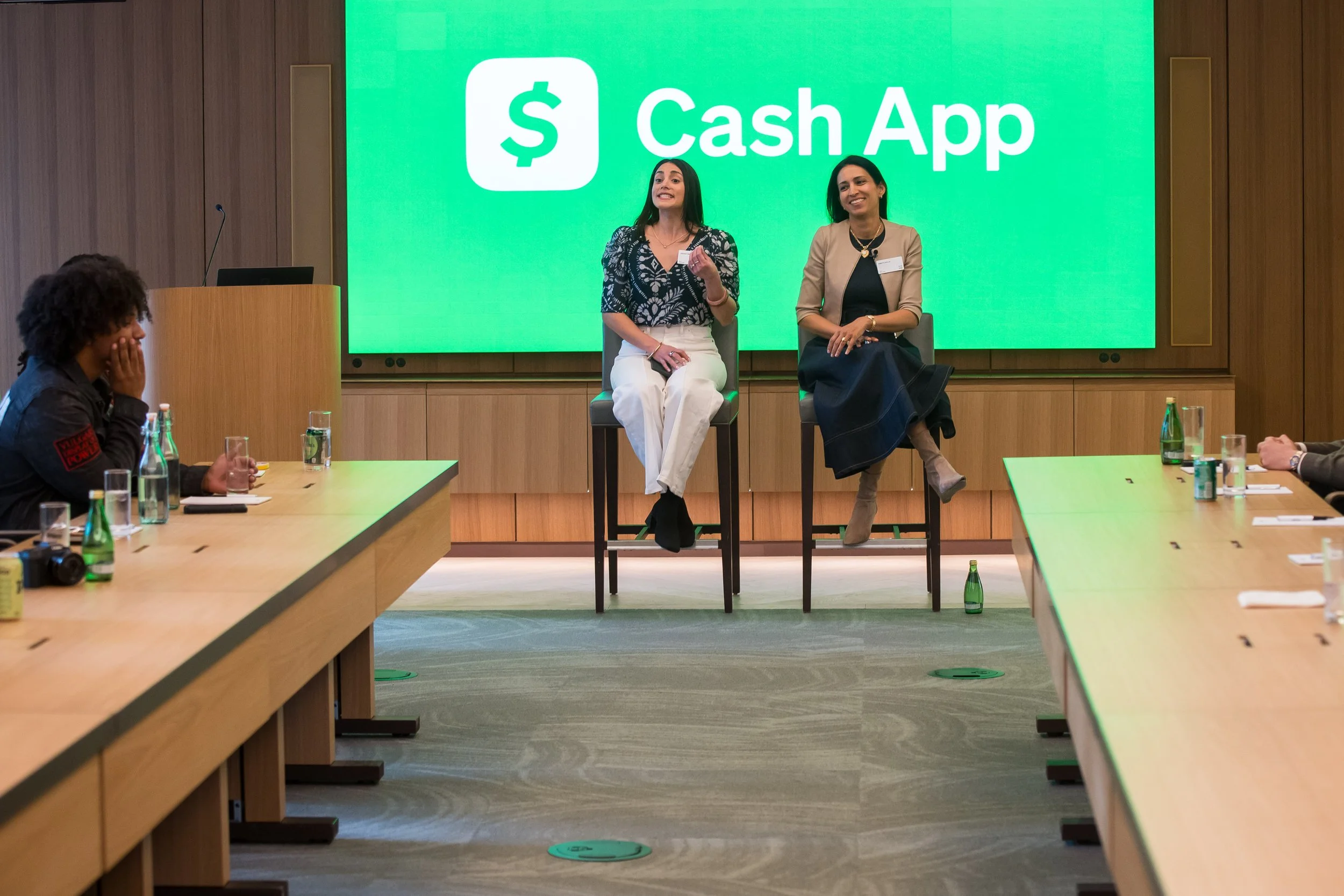
As a financial therapist, I designed and facilitated the entire discussion, guiding students through conversations about budgeting, saving, investing, college decisions, internships, side hustles, and financial confidence.
But my role wasn't just to answer questions or stick to a run-of-show. My role was to create a space where students felt comfortable asking them. That meant validating their curiosity, encouraging discussion, and helping students think critically about the financial information they encounter online.
One of the strongest themes that emerged throughout the conversation was how much students wanted to understand which sources of financial advice were trustworthy.
They wanted to know:
How do I know if financial advice is legitimate?
Which experts should I trust?
Are popular budgeting rules still relevant?
How do I evaluate information I see on social media?
Key Takeaways: Young People Are More Financially Engaged Than We Give Them Credit For
If I had to summarize my biggest takeaway from the event, it's this: Young people get a bad rap.
There's a persistent narrative that teenagers aren't interested in money, don't care about financial well-being, or aren't paying attention to long-term financial decisions.
That wasn't what I experienced at all. Students were furiously taking notes and asking thoughtful follow-up questions. They also demonstrated that they were living in financial well-being with their actions and habits. Some students shared how they only joined friends on shopping trips that centered on thrift stores to save money. A few students shared that they planned to stay closer to home for college because they didn’t want large student loan debt weighing on them. One young person talked about working throughout the summer to save for future study abroad opportunities.
These weren’t hypothetical conversations or ideas. These young folks already had the building blocks of financial literacy and were actively developing plans to support their financial stability in the future.
Partner Perspectives
One of the teachers who accompanied the students said something to me that stuck: "Thank you for talking to them like people and not like kids. They have so many people talking at them, and they really need adults who they can talk to."
Another attendee reflected on how the discussion unfolded when students shared financial advice they had heard online:
"You were unflappable. Instead of dodging tough questions, you replied with, 'That's a great question,' and asked where they heard that advice. Then you invited others into the conversation. It became a teachable moment instead of shutting someone down."
As someone who facilitates financial well-being workshops, roundtables, and conversations for organizations across the country, that feedback meant a lot.
Money Conversations Work Best When Everyone Has a Seat at the Table
The students of Cash App's Teen Advisory Council brought wisdom, curiosity, lived experience, and thoughtful questions to every part of the conversation. They reinforced my belief that people closest to an experience often have the most valuable insights. When organizations create opportunities to genuinely listen, whether it’s to students, employees, customers, or community members, they learn things they can't discover from AI, surveys, or reports alone.
If you're looking to create meaningful conversations with students, employees, advisory councils, customers, or community members, I'd love to help.
As a financial therapist and financial well-being speaker, I facilitate roundtables, advisory councils, workshops, keynotes, and experiential events that help organizations gather insights and create engaging, emotionally informed conversations about money, financial well-being, and financial confidence.